
How to Use Japanese Azaleas in Garden Design
Japanese azaleas are one of those plants that can completely transform a garden. Their clouds of spring colour, neat evergreen foliage and compact habit make them incredibly versatile. Whether you’re working with a sweeping border, a shady courtyard or a handful of pots, they earn their place.
But knowing where to put them and how to combine them with other plants can feel like guesswork. It shouldn’t be. With a bit of thought about structure, colour and seasonal rhythm, Japanese azaleas can anchor a design that looks good all year, not just for a few weeks in May.
Why Japanese Azaleas Work So Well in Garden Design
Japanese azaleas bring something special to a planting scheme. They’re reliable, unfussy and surprisingly adaptable once you understand their needs.
Unlike their larger deciduous cousins, Japanese azaleas stay compact. Most varieties reach around 60 to 90cm in height and spread, making them perfect for smaller gardens where space is precious. They also keep their leaves year round, which means structure and presence even in the depths of winter.
The spring flower display is spectacular. Masses of blooms in shades from pure white through soft pinks to vibrant magentas cover the plant completely, often hiding the foliage beneath. It’s a fleeting show, lasting perhaps three weeks, but it’s unforgettable.
What really sets them apart, though, is their versatility. They’re equally at home in a formal clipped scheme, a naturalistic woodland planting, or a contemporary mixed border. That adaptability is rare.
For general guidance on creating the perfect garden, understanding how versatile shrubs like these fit into the bigger picture helps you make confident planting decisions.
Creating Focal Points and Structure
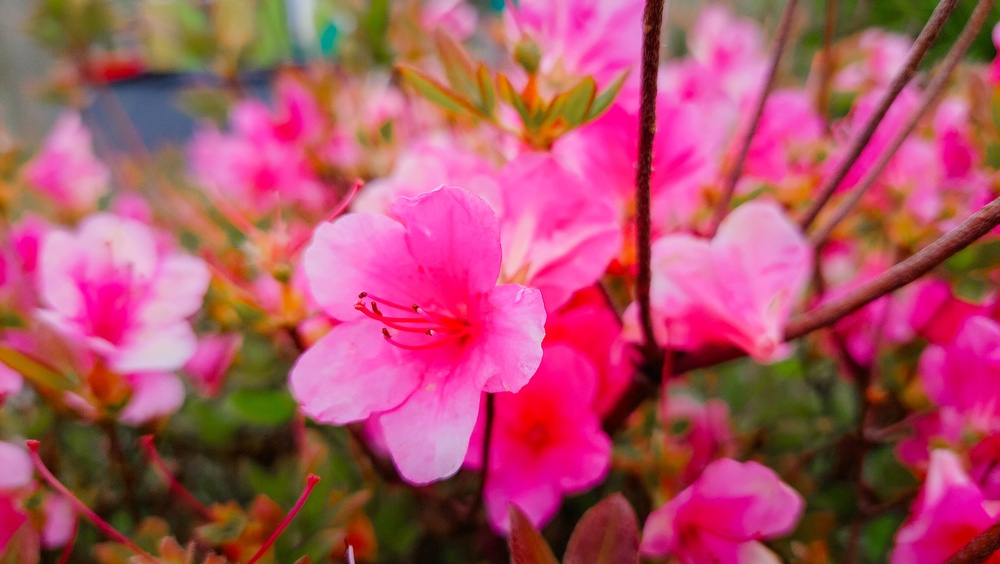
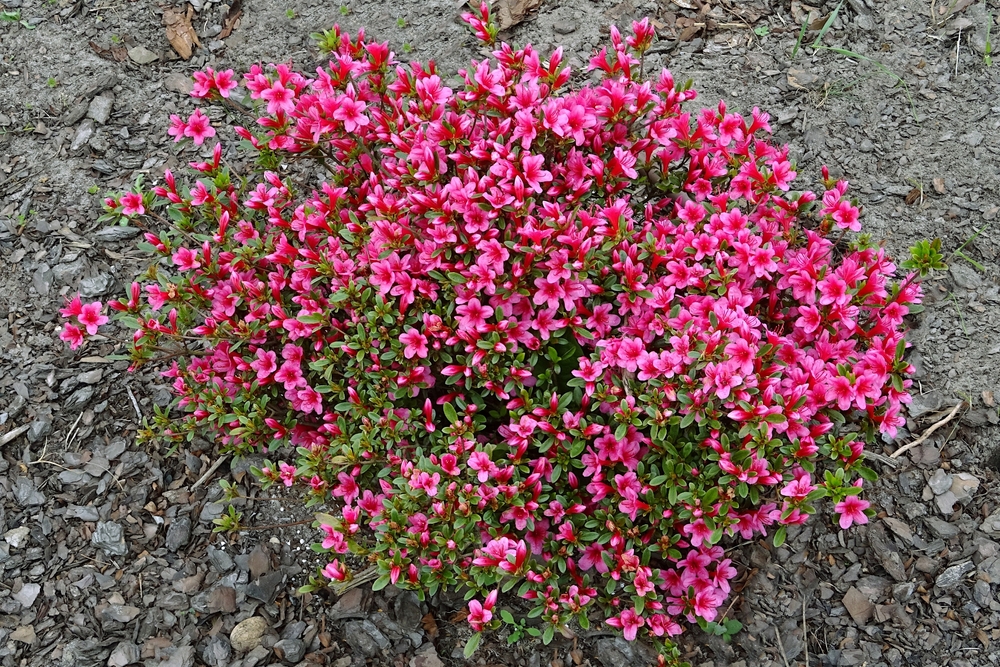
Japanese azaleas have a naturally rounded, mounding habit that gives instant structure. Use them as anchor plants in a border, positioned where your eye naturally falls. A single specimen in a large pot by a doorway, or a group of three in complementary colours at a corner junction, creates visual weight.
Their evergreen foliage means they hold the design together when perennials have died back and bulbs are dormant. In winter, that solid green presence is invaluable.
You can also clip them into more formal shapes. Cloud pruning (creating soft, billowing mounds) is traditional in Japanese gardens, but even a light trim after flowering to maintain a neat dome keeps them looking purposeful.
Layering for Depth and Interest
Think in layers. Place taller shrubs or small trees at the back, Japanese azaleas in the mid border, and low ground cover or bulbs at the front. This creates depth and ensures every plant gets its moment.
Pair them with different textures and foliage shapes. The fine needles of Japanese maples, the bold leaves of hostas, or the delicate fronds of ferns all contrast beautifully with azalea foliage. When the azaleas bloom, those contrasts become even more striking.
Repetition works well too. Plant Japanese azaleas in groups of three or five, spacing them evenly through a border. This creates rhythm and unity, stopping the design feeling chaotic or random.
Traditional Japanese Garden Style
This is where Japanese azaleas truly shine. In creating a Japanese inspired garden with azaleas, the emphasis is on restraint, balance and natural forms.
Clip azaleas into soft, organic shapes that echo hills or clouds. Position them alongside carefully placed stones, gravel paths and perhaps a stone lantern or water feature. Add Japanese maples for autumn colour and evergreen ferns for year round foliage.
The palette should be limited and considered. Whites, soft pinks and purples work beautifully together. Avoid mixing too many strong colours in a small space.
The sound of wind chimes or trickling water adds another sensory layer, turning the space into somewhere genuinely restorative.
Contemporary and Mixed Borders
Japanese azaleas slot into modern planting schemes just as easily. Their neat habit suits structured, architectural gardens where form matters as much as colour.
Try combining them with ornamental grasses like Hakonechloa or Calamagrostis for movement and texture. Add perennials with strong shapes (Sedum, Euphorbia, Astrantia) and let the azaleas provide the spring fireworks.
In contemporary schemes, bold colour works well. A vivid magenta azalea against charcoal slate or dark render creates drama. White azaleas in galvanised containers bring crisp modernist elegance.
Woodland and Naturalistic Settings
If you have dappled shade under trees, Japanese azaleas are a natural choice. They thrive in the same conditions as bluebells, primroses and wood anemones.
Plant them in informal drifts rather than regimented rows. Let them weave between tree trunks and blend into carpets of ferns and spring bulbs. The effect should feel discovered rather than designed.
This approach also supports wildlife. Attracting wild birds to your garden becomes easier when you create layered, naturalistic planting with different heights and seasonal interest.
Container Displays
Japanese azaleas excel in pots. Their compact size and slow growth means they’ll happily live in a container for years without needing to be moved on.
Choose a pot at least 40cm wide with good drainage holes. Use ericaceous compost (azaleas are acid loving plants and won’t tolerate alkaline conditions). Top dress annually with fresh compost and feed with an ericaceous fertiliser in spring.
Group several containers together at different heights for impact. A tall pot with a clipped azalea, a medium pot with trailing ivy, and a low dish with moss creates a mini landscape on a patio or balcony.
Container growing also solves the problem of unsuitable soil. If your garden is alkaline, growing azaleas in pots filled with the right compost means you can still enjoy them.
In winter, insulating your containers protects roots from frost damage during severe cold snaps.
Foundation Planting and Entrances
Japanese azaleas work brilliantly as foundation planting around the base of a house or along pathways. Their evergreen nature provides year round interest, while the spring blooms create a welcoming entrance.
Plant them in groups of three or five for impact. Choose varieties with staggered flowering times if possible, extending the display from late April through to early June.
Underplant with spring bulbs (snowdrops, crocuses, dwarf narcissi) for earlier colour, and add low ferns or Epimedium for summer foliage interest after the azaleas have finished flowering.
If the location is exposed to wind, securing taller plants with appropriate supports prevents damage and keeps everything looking tidy.
Companion Plants and Colour Schemes
Choosing the right companions makes all the difference. Japanese azaleas need similar conditions (acid soil, dappled shade, moisture retentive ground), so look for plants that share these preferences.
Excellent companions include:
- Japanese maples (Acer palmatum varieties for structure and autumn colour)
- Camellias (spring flowers before azaleas peak)
- Pieris (evergreen with colourful new growth)
- Hostas (bold foliage contrast)
- Ferns (fine texture and shade tolerance)
- Heucheras (year round foliage in purples, bronzes and limes)
- Spring bulbs (early season interest before the main show)
For detailed advice on pairing azaleas and rhododendrons with other plants, colour combinations and planting schemes work together beautifully.
Colour is personal, but a few principles help. Soft pinks and whites create calm, elegant schemes. Deep pinks and purples bring richness and drama. White azaleas act as palate cleansers, separating stronger colours and preventing clashes.
Foliage colour matters too. Dark purple Heuchera makes pink azaleas glow. Lime green Hakonechloa lifts purple varieties. Variegated hostas add light to shady spots.
Planning for Year Round Interest
One challenge with spring flowering shrubs is keeping interest going through the rest of the year. Japanese azaleas have evergreen foliage, which helps, but thoughtful companion planting really earns its keep here.
For year round interest, layer in:
- Early bulbs (February to March)
- Japanese azaleas (April to May)
- Astilbes and hostas (June to August for foliage and flowers)
- Japanese anemones (late summer into autumn)
- Autumn colour from maples or deciduous azaleas
- Evergreen ferns and Skimmia berries (winter structure)
This creates a border that evolves through the seasons rather than peaking once and fading. For more on planning your garden for year round colour, thinking in layers and sequences is key.
Growing Japanese azaleas successfully also means understanding their basic needs. Get the soil, light and moisture right from the start, and design becomes much easier.
Practical Design Tips
Getting the practicalities right from the beginning saves time, money and disappointment later. Here’s what actually matters when designing with Japanese azaleas.
Start with a plan. Measure your space, note where the shade falls, and mark existing features. It’s tempting to plant on impulse, but a rough sketch saves expensive mistakes.
Consider mature size. Japanese azaleas are slow growing, but they will spread. Allow 60 to 90cm spacing between plants depending on variety. Cramming them in creates problems later.
Think about access. You’ll need to deadhead, feed and occasionally prune. Don’t plant them where you can’t reach them comfortably.
Check planting times. The best time to plant Japanese azaleas is autumn or early spring when soil is workable and rainfall is reliable.
Prepare soil properly. Dig in plenty of organic matter and use ericaceous compost if needed. Poor preparation leads to poor results, no matter how well you design.
Water consistently in the first year. Even the best design fails if plants don’t establish. For detailed seasonal guidance, feeding and watering azaleas through the year keeps them thriving.
Making Your Garden Personal
Garden design isn’t just about big gestures. Small details matter too. The way light hits wet leaves after rain. The contrast between smooth stone and soft foliage. The scent of soil after you’ve been weeding around your azaleas.
Pay attention to those moments. They’re what make a garden feel personal and lived in, not just designed.
If you’re combining azaleas with other acid loving plants, you’re essentially creating a themed planting area. That unity of soil requirements makes maintenance simpler and creates a coherent aesthetic.
Preparing your garden for winter includes tidying around azaleas, checking mulch levels and protecting any tender companions. These seasonal tasks become part of the rhythm of your garden.
Design principles are useful, but the best gardens reflect the people who tend them. If you love bold colour, embrace it. If you prefer subtle tones, choose accordingly. Your garden should make you happy every time you look at it.
Japanese azaleas are forgiving plants. They cope with a bit of experimentation. If something doesn’t work in one spot, move it. Gardens evolve, and that’s part of the pleasure.
If you’re ever unsure about design choices, plant selection, or how to get the best from your Japanese azaleas, get in touch for advice. Sometimes a conversation can clarify ideas that feel muddled on paper.
Visit our range of products to explore Japanese azalea varieties and companion plants, or come and see what’s looking good in person. There’s something satisfying about choosing plants in the flesh rather than from a screen.