
Home Creating a Japanese Inspired Garden with Azaleas
Creating a Japanese Inspired Garden with Azaleas
A Japanese inspired garden creates a sense of calm, balance and gentle movement. When you centre your design around azaleas, you introduce vibrant seasonal colour without losing the soft simplicity that defines Japanese landscapes. Whether you have a small patio, a medium sized garden or a balcony, you can create a peaceful space that honours nature through thoughtful planting, considered layout and year round interest.
This guide brings together practical planting advice, design inspiration and UK specific care guidance so you can build your own azalea garden with confidence. You can also explore helpful advice on creating the perfect garden for extra insight into planning the overall layout.
Understanding the Japanese Inspired Style
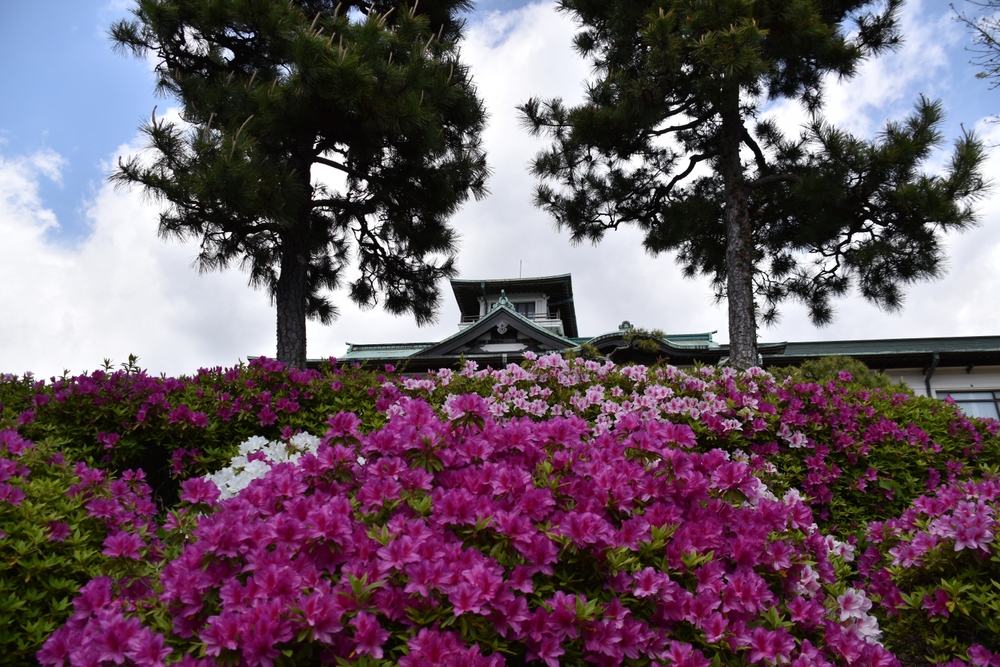
Japanese garden design is grounded in harmony, restraint and natural flow. Rather than filling a space with many different features, it focuses on a few meaningful elements that work together. Azaleas fit beautifully into this approach because they offer sculptural form, evergreen structure and dramatic spring colour without overwhelming the landscape.
The wabi sabi philosophy plays a quiet role in this style. It encourages the use of natural materials, gentle curves and subtle contrasts that reflect the passing seasons.
Key principles to guide your design
- Simple shapes and uncluttered planting
• A sense of balance created through height and spacing
• Natural textures including gravel, stone, bark and wood
• Soft transitions between planted areas and empty space
Movement also matters. Plants that sway in the breeze or create shadows against stone bring the space to life.
Selecting the Best Location for Your Azaleas
Azaleas are naturally suited to dappled shade, making them ideal for UK gardens where sunlight varies throughout the year. A Japanese inspired layout works best when plants are placed where light feels gentle rather than intense.
Light and shade considerations
Azaleas dislike strong midday sun, especially in dry summers. Dappled shade from a small tree or filtered light from trellising helps flowers last longer. You can support nearby plants using the advice in this guide to clips ties and twine if you want to train branches or guide growth.
Soil preparation
Azaleas are acid loving shrubs, so the most important step is creating the right soil. They perform best in soil with a pH between 4.5 and 6. Test your soil with a simple home kit before planting. If your soil is alkaline, grow azaleas in containers with ericaceous compost. More detail on soil types can be found in this guide to choosing the right compost.
Improving the planting area
Add leaf mould, pine needles or composted bark to increase acidity. Loosen the soil to improve drainage and avoid compacting the planting zone. In wetter regions or heavier soils, raised beds offer better control.
Choosing Azalea Varieties for a Japanese Inspired Garden
Different azalea types deliver different textures and colours. Many Japanese azaleas are naturally compact, making them perfect for smaller gardens or patios.
Dwarf azaleas
These low growing shrubs offer intense colour and stay beautifully compact. They are ideal for the front of borders or stylish containers.
Evergreen Japanese azaleas
These varieties keep their leaves throughout the year, providing soft structure even after flowering. They pair well with stone features and create a gentle backdrop for seasonal changes.
UK hardy hybrids
These are reliable performers for colder regions. They offer larger blooms while still fitting nicely into a Japanese inspired aesthetic. You can explore more guidance in this guide to Japanese azaleas.
To choose the ideal planting season, see when to plant Japanese azaleas and rhododendrons for UK specific timing.
Designing the Layout of Your Azalea Garden
You do not need a large space to create an authentic Japanese inspired feeling. The effect comes from placement, balance and texture rather than size.
Creating structure and flow
- Use curved gravel lines or stepping stones to create movement
• Position azaleas as sculptural plants rather than mass planting
• Balance a single focal point such as a water bowl or lantern
• Leave intentional space for calm and simplicity
If you want to add a gentle sensory element, this guide to using wind chimes offers ideas that suit Japanese designs perfectly.
Companion plants that enhance the design
- Japanese maples for height and delicate foliage
• Ferns for cool shade and movement
• Hostas for broad leaves and contrast
• Moss for soft ground cover
• Bamboo in containers for structure
Wild birds bring natural life to the space, and this guide to attracting them offers practical ideas that suit Japanese gardens very well.
Planting Azaleas Correctly
Planting azaleas is straightforward once the soil is right.
Steps for successful planting
- Dig a hole that is wider but not deeper than the rootball
• Add ericaceous compost to enrich the soil
• Place the plant so the top of the rootball is level with the soil surface
• Backfill lightly and avoid compressing the soil
• Water gently and mulch with bark or pine materials
If planting in the colder months, the advice in how to protect roots during winter will help safeguard newly planted azaleas.
Year Round Care for a Healthy Azalea Garden
A simple seasonal routine keeps your azaleas strong while maintaining the calm structure of a Japanese inspired design.
Spring care
- Feed with an ericaceous fertiliser
• Remove spent flowers to tidy the plant
• Check leaves for lace bug markings and treat with a gentle soap solution if needed
Summer care
- Keep soil moist during dry spells
• Add fresh mulch to cool the roots
• Lightly trim after flowering if shape needs refining
Autumn care
- Remove dead or crossing branches
• Refresh mulch to protect roots
• Plan any design changes by reviewing planting advice such as growing vegetables which can help with understanding soil and placement
Winter care
- Protect roots with mulch or insulating material
• Avoid pruning during frost
• Prepare for cold weather using the tips in this winter garden guide
If you grow rhododendrons as well, you may find this care guide for rhododendron hybrids useful.
Container Azaleas for Patios and Balconies
Container planting is the perfect choice for small urban gardens and for anyone with alkaline soil. Japanese inspired gardens translate beautifully into pot based designs.
Container care checklist
- Use a ceramic or wooden container with good drainage
• Fill with ericaceous compost only
• Water consistently so soil stays moist but not wet
• Feed twice in spring with an ericaceous fertiliser
• Repot every two to three years to refresh nutrients
Even a single well placed container azalea can transform a balcony into a tranquil retreat.
Common Problems and How to Fix Them
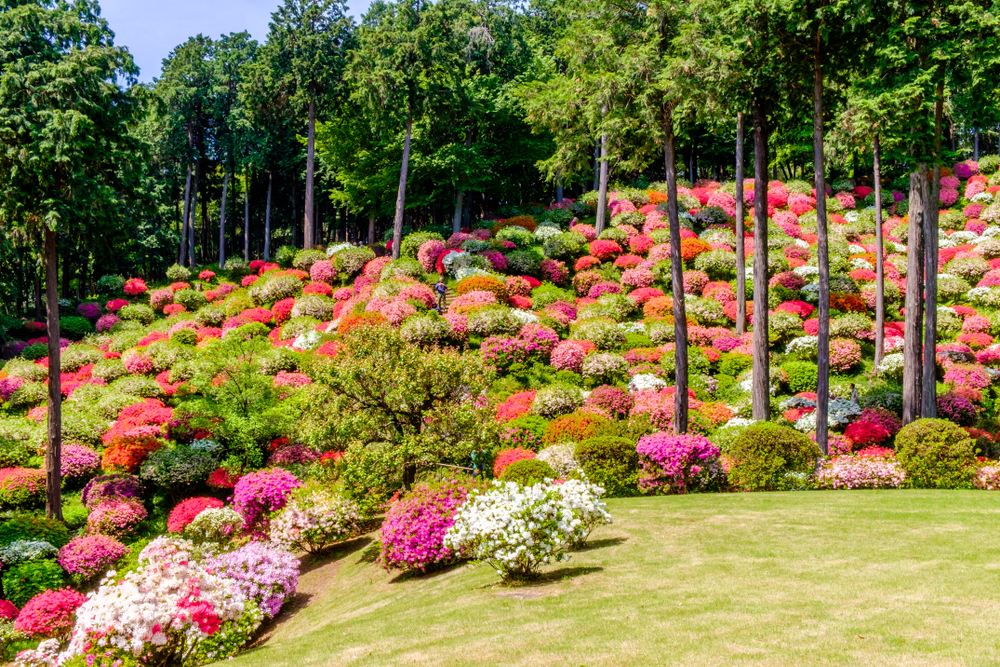
Azaleas are generally easy to care for, but they show clear signs when something is wrong.
Issues to watch for
- Yellowing leaves often indicate alkaline soil
• Drooping in wet weather may suggest root problems
• Brown leaf tips in winter can signal frost damage
Most issues can be resolved through better soil care, consistent watering and improved drainage.
Adding Finishing Touches
Small details bring Japanese inspired gardens to life. Natural stone, raked gravel, aged wood, mossy textures and soft lighting elevate the space without overwhelming it. Consider using stepping stones, a small water feature or a single statement sculpture to complete the look.
When you are ready to begin choosing plants and materials, you can explore the full product range. If you would like tailored advice for your garden layout or plant choices, feel free to contact the team for friendly support.