
Feeding and Watering Azaleas Through the Seasons
Getting the feeding and watering right is what transforms azaleas from pleasant shrubs into showstoppers. It’s not complicated, but it does ask for a bit of seasonal awareness and a steady hand. Too much or too little of either, and you’ll see it in the leaves and blooms.
The good news? Once you understand the rhythm of the year and what your azaleas are asking for, it becomes second nature. Let’s walk through it season by season.
Understanding What Azaleas Actually Need
Azaleas are ericaceous plants, which means they thrive in acidic soil with a pH between 4.5 and 6.0. This affects everything, from nutrient availability to how well they take up water. In neutral or alkaline soil, they struggle to absorb iron and other trace elements, leading to yellowing leaves (chlorosis) even when you’re feeding regularly.
They also have shallow, fibrous root systems. Those fine roots sit close to the surface, so they dry out quickly in summer and can be damaged by heavy handed digging or compacted soil. This is why watering technique matters just as much as frequency.
When it comes to feeding, azaleas aren’t greedy. They need less nitrogen than many shrubs, but they do appreciate a balanced feed designed for acid loving plants. Feed them too much, and you’ll get lots of leafy growth at the expense of flowers. Feed them too little, and growth stalls.
For more on choosing the right compost and soil preparation, it’s worth understanding the foundation before you start any feeding programme.
Seasonal Feeding and Watering Guide
Spring: Setting Up for Success
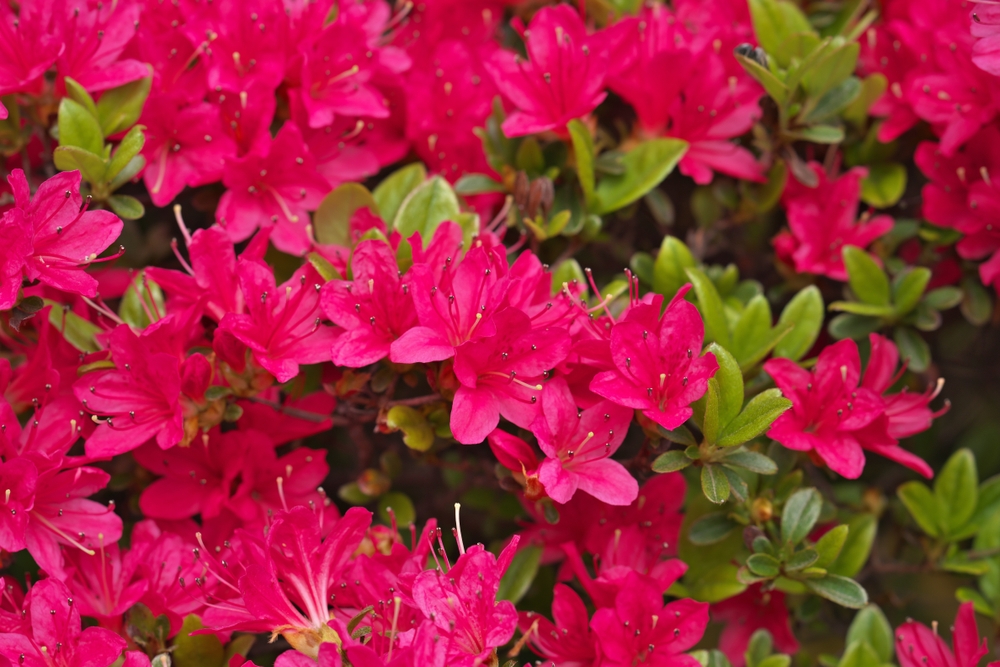
Spring is when azaleas wake up properly. Buds swell, new growth emerges, and those glorious blooms start to open. This is prime feeding time.
Apply a slow release ericaceous fertiliser in early spring (late March or early April works well for most of the UK). Look for a product with a balanced NPK ratio specifically formulated for acid loving plants. These typically contain added iron and magnesium to prevent chlorosis.
Scatter the granules around the base of the plant, avoiding direct contact with the stem, and water in well. The feed will release gradually over the next few months, supporting both flowering and new growth.
If you’re growing Japanese azaleas, they’ll particularly appreciate this spring boost. You can also use a liquid feed every fortnight during the growing season if you prefer a more hands on approach, though slow release is generally easier to manage.
Spring rainfall usually takes care of most watering needs, but keep an eye on newly planted specimens. If March and April are dry, water deeply once or twice a week rather than little and often. The goal is to encourage roots to grow downwards, not sit near the surface waiting for daily sprinkles.
Use rainwater if possible, especially if your tap water is hard. The alkalinity in hard water can gradually raise soil pH, which defeats the purpose of all that careful soil preparation.
Summer: Keeping Plants Thriving
Summer is when azaleas really show what they’re made of, or start to struggle if conditions aren’t right. The combination of heat, sunshine and occasional drought can stress these shallow rooted plants quickly.
You shouldn’t need to feed again if you applied slow release fertiliser in spring. In fact, feeding after mid June can encourage soft new growth that won’t harden off before winter, leaving plants vulnerable to frost damage.
If you’re using liquid feeds, stop by the end of June. Container grown azaleas are the exception. They can benefit from a light liquid feed every three to four weeks through summer, as nutrients leach out more quickly from pots.
This is where watering becomes serious. Azaleas hate dry roots. In prolonged dry spells, water deeply two or three times a week. The soil should feel moist but not waterlogged at root level. Push your finger down about 5cm to check.
Early morning watering is best. It gives plants time to take up moisture before the heat of the day, and reduces the risk of fungal diseases that thrive in damp, warm conditions.
For container grown plants, check daily in hot weather. Pots dry out remarkably quickly, and once ericaceous compost becomes bone dry, it can be hard to rewet. If that happens, stand the pot in a tray of water for an hour or so until it’s properly rehydrated.
Mulching is your friend here. A 5 to 8cm layer of composted bark or leaf mould keeps roots cool, suppresses weeds and reduces water loss. Just keep it clear of the stem to prevent rot.
Autumn: Preparing for Dormancy
Autumn is a quieter time for azaleas, but it’s still important. This is when plants are storing energy and hardening off ready for winter. Your job is to help them do that safely.
Don’t feed. Seriously. Any nitrogen at this time of year will push out soft growth that won’t survive the first frost. If you’ve fed properly in spring, your plants will have everything they need to get through winter.
The exception is if your azaleas are showing signs of severe nutrient deficiency (yellowing leaves, stunted growth, poor flowering). In that case, a light application of an ericaceous foliar feed in early September can help, but use it sparingly.
Keep watering if autumn is dry, especially for evergreen azaleas. They lose moisture through their leaves year round, so they can’t afford to go into winter already stressed and thirsty.
Reduce frequency as temperatures drop, but don’t stop altogether until the ground is consistently cold. A good watering in late autumn before the first hard frosts is particularly valuable. It gives plants a reservoir to draw on during frozen spells when they can’t access moisture from frozen soil.
For detailed guidance on preparing your garden for winter, including protecting vulnerable plants, it’s worth planning ahead.
Winter: Minimal Care, Maximum Protection
Winter is mostly hands off, but there are a few things worth watching.
Don’t feed at all. Plants are dormant or semi dormant, and roots aren’t actively taking up nutrients. Leave well alone.
Evergreen azaleas still need occasional watering if winter is dry and frost free. Check container plants especially. They can dry out even in cold weather, and dry roots are more vulnerable to frost damage than moist ones.
Don’t water if the ground is frozen. You’ll just be creating ice around the roots, which doesn’t help anyone.
If you’re growing azaleas in pots, moving them to a sheltered spot or insulating the containers can prevent root damage during severe cold snaps.
Common Mistakes and How to Avoid Them
Watering Errors That Cause Problems
Overwatering in heavy soil is surprisingly common. Azaleas need moisture, but they also need oxygen at the roots. In heavy clay or poorly drained soil, constant wetness leads to root rot. The leaves turn brown, growth stalls, and the plant slowly declines.
The fix? Improve drainage before planting by working in plenty of organic matter and grit. If your soil is naturally heavy, consider raised beds or container growing instead. For more on creating the perfect garden structure, drainage is key.
Letting container plants dry out completely is another pitfall. Once ericaceous compost dries out thoroughly, it can become hydrophobic. Water just runs off the surface without soaking in. Check containers regularly, especially in summer and windy weather. If the compost has dried out, submerge the whole pot in water until bubbles stop rising, then let it drain.
Using hard tap water might seem harmless, but over time, the alkalinity raises soil pH, locking up nutrients and causing chlorosis. Collect rainwater in a water butt if possible. If you must use tap water, monitor soil pH annually and adjust with sulphur chips or sequestered iron if needed.
Feeding Mistakes to Watch For
Using the wrong fertiliser is a common error. General purpose feeds often have too much nitrogen and the wrong pH. They can also lack the trace elements azaleas need. Always use a fertiliser specifically formulated for ericaceous plants. Check the label for added iron and magnesium, and avoid anything with a very high first number in the NPK ratio.
Feeding too late in the season encourages soft growth that gets damaged by autumn frosts. Feed once in early spring with slow release fertiliser, or stop liquid feeding by late June. Simple.
Making It Work for Your Garden

Container vs Ground Planted Care
Container grown azaleas need more frequent watering and feeding than those in the ground. Roots can’t spread to find moisture and nutrients, so you’re entirely responsible for providing them.
Check pots daily in summer and feed with a liquid ericaceous fertiliser every three to four weeks from April to June. Use peat free ericaceous compost where possible, and refresh the top layer annually with fresh material.
Ground planted azaleas, once established, are much more self sufficient. After the first year or two, they’ll cope with dry spells better and need less hands on care.
Regional and Climate Considerations
The UK’s climate varies enough that one size fits all advice doesn’t always work. If you’re in the milder south west, your azaleas will start growing earlier and may need that spring feed in late March. In Scotland or northern England, hold off until mid April when growth really gets going.
Coastal gardens often have milder winters but stronger winds, which dry out foliage quickly. More frequent watering might be needed year round, and securing plants with appropriate supports can prevent wind damage.
Urban gardens tend to be warmer and drier. Container grown azaleas in city courtyards need extra attention to watering, while pollution can sometimes affect leaf health. Rainfall alone isn’t usually enough in built up areas.
Building a Simple Care Routine
Feeding and watering azaleas isn’t about following rigid rules. It’s about understanding what these plants need and adjusting to your own garden’s conditions. Sandy soil dries out faster than clay. South facing borders heat up more than shady corners. Container plants behave differently to those in the ground.
Pay attention to your plants. Drooping leaves in the afternoon on a hot day might just mean they need a drink. Yellowing foliage with green veins suggests iron deficiency. Brown leaf tips could mean fertiliser burn or salt damage from hard water.
The more you observe, the better you’ll understand what normal looks like for your azaleas, and the quicker you’ll spot when something’s off.
For detailed information on caring for rhododendron hybrids, many of the same principles apply. Both belong to the same family and share similar needs.
Building azalea care into your seasonal garden rhythm makes it effortless. When you’re planning your garden for year round colour, factor in these feeding and watering tasks alongside bulb planting, vegetable sowing and border maintenance.
Quick seasonal checklist:
- Spring: Feed with slow release ericaceous fertiliser, water if dry, apply mulch
- Summer: Water deeply and regularly, stop feeding by late June, check containers daily
- Autumn: Reduce watering as growth slows, no feeding, prepare for winter
- Winter: Protect containers, check for dryness during mild spells, no feeding
If you’re combining azaleas with other plants, pairing them with compatible companions means your whole border benefits from the same care routine. Plant them alongside other acid lovers and you’re watering and feeding everything at once.
If you’re ever unsure about feeding schedules, fertiliser choice, or whether your azaleas are getting enough water, don’t guess. Poor care can take years to correct, whereas getting it right from the start saves time, money and disappointment.
Get in touch if you’d like advice tailored to your specific situation, or visit our range of products for quality fertilisers, composts and watering equipment.
And while you’re planning your azalea care, don’t forget the wider garden. Attracting wild birds with the right planting creates a balanced, thriving ecosystem that benefits everything, including your azaleas.