
Winter Care Tips for Rhododendrons and Azaleas
Rhododendrons and azaleas are tougher than they look. Most varieties handle a British winter perfectly well, but they do appreciate a little help when temperatures drop sharply or the weather turns particularly harsh.
The good news is that winter care doesn’t need to be complicated. A few simple steps in autumn and a bit of attention through the colder months will see your plants through to spring in good shape, ready to put on another show.
Understanding How Winter Affects These Plants
Before getting into the practicalities, it helps to understand what winter actually does to rhododendrons and azaleas. Most problems come from a handful of causes, and knowing what you’re dealing with makes prevention much easier.
Frost is the obvious concern, but it’s rarely the biggest one for established plants in the ground. Hardy varieties can cope with temperatures well below freezing. What causes more damage is a combination of frozen ground and cold, drying winds. Evergreen rhododendrons and azaleas lose moisture through their leaves year round. When the ground is frozen, roots can’t take up water to replace what’s lost. The result is leaf scorch, browning and in severe cases, dieback.
Repeated freeze and thaw cycles are also damaging. Soil expanding and contracting can disturb shallow roots, and buds that have swollen slightly in a mild spell can be killed by a subsequent hard frost.
Container plants face additional challenges. The pot itself offers little insulation, so roots are exposed to temperatures they’d never experience in the open ground.
Preparing Plants Before Winter Arrives
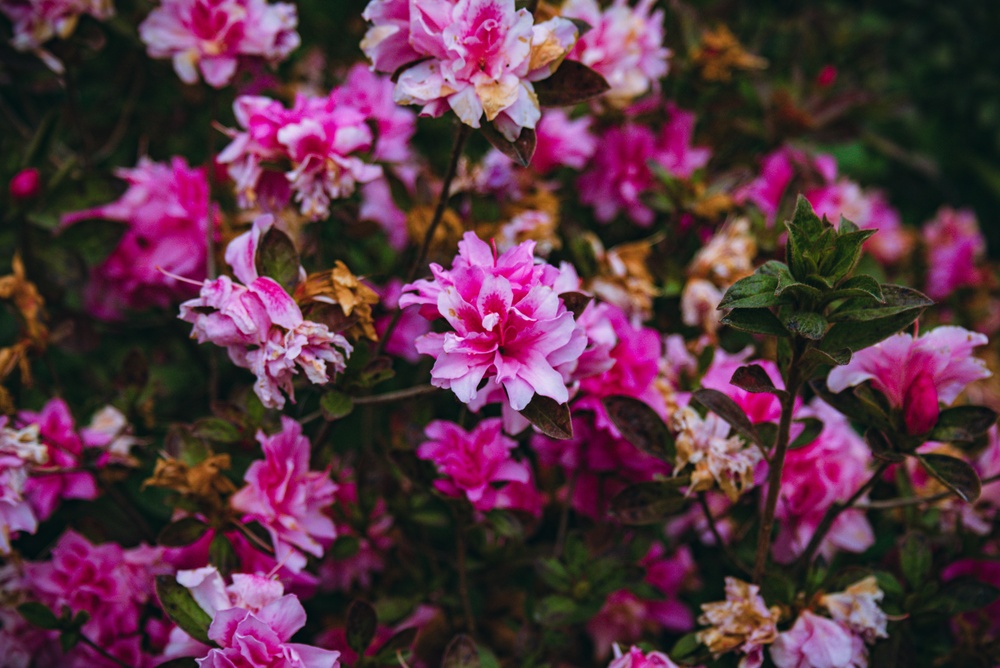
Autumn is the most important time for winter preparation. Getting a few things right in October and November makes a significant difference to how your plants come through.
Stop feeding by the end of June. Late feeding encourages soft new growth that won’t harden off before cold weather arrives, leaving plants vulnerable. By autumn, your rhododendrons and azaleas should have slowed down naturally and be concentrating energy rather than producing new shoots.
Give plants a thorough watering before the first hard frosts. Well hydrated roots are more resistant to frost damage than dry ones, and plants with a good water reserve can cope better when frozen ground temporarily cuts off their supply.
Mulching is one of the most valuable things you can do. A 5 to 8cm layer of composted bark, leaf mould or wood chip around the base of the plant insulates roots from temperature extremes, helps retain moisture and gradually improves soil structure. Keep it clear of the stem to prevent rot, and extend it out to the edge of the canopy where the feeder roots are.
For guidance on choosing the right compost and mulching materials, getting this foundation right sets plants up well for the months ahead.
Protecting Plants During Cold Spells
Most hardy rhododendrons and azaleas in the ground won’t need additional protection in a typical British winter. But if you’re growing less hardy varieties, have young or recently planted specimens, or face a particularly exposed site, there are a few things worth doing.
Windbreaks make a real difference. A temporary screen of windbreak netting or horticultural fleece on the windward side reduces the drying effect of cold winds on evergreen foliage. Fleece draped loosely over smaller plants on nights when temperatures are forecast to drop sharply gives meaningful protection without causing harm.
Avoid wrapping plants too tightly or for extended periods. Trapped moisture and restricted airflow create the conditions for fungal problems, which can be just as damaging as frost.
If your plants are in exposed positions, securing any supporting structures or stakes before winter storms arrive prevents damage and keeps everything stable through difficult weather.
For a broader approach to preparing your garden for winter, tackling all these jobs together in one focused session makes the whole process feel manageable.
Looking After Container Plants
Container grown rhododendrons and azaleas need more attention in winter than those in the ground. With roots confined to a pot, they’re exposed to temperature extremes that would never affect plants in open soil.
Move containers to a sheltered spot if possible. Against a south or west facing wall offers some warmth and protection from the worst winds. An unheated greenhouse or cold frame is even better for the most tender varieties.
Insulating the containers themselves makes a significant difference. Wrapping pots in bubble wrap, hessian or old compost bags traps warmth and prevents roots freezing solid. Standing pots on pot feet or a piece of wood keeps them off cold, wet surfaces and improves drainage.
Don’t assume container plants don’t need watering in winter. Evergreen rhododendrons and azaleas still lose moisture through their leaves, and if they’re under an overhang or in a sheltered spot, they may receive little or no rainfall. Check the compost every week or two during mild spells and water if it’s dry. Don’t water if the compost is frozen or if frost is forecast.
Watering and Feeding Through Winter
The general rule is simple. Water only when necessary and don’t feed at all.
During mild, dry spells in winter, check soil moisture around your plants and water if the ground is dry. Evergreens particularly need this attention, as they’re still actively transpiring even when growth has slowed. A good soak every couple of weeks during dry mild weather is better than frequent light watering.
Stop watering altogether when the ground is frozen, and resume gradually as temperatures rise in late winter or early spring.
Feeding should wait until spring. Feeding and watering azaleas through the seasons explains why timing your feeding correctly makes such a difference to plant health and flowering.
Dealing With Frost Damage
Despite your best efforts, cold snaps can still cause damage. Knowing how to respond calmly makes a real difference to the outcome.
Scorched or brown leaves after frost are alarming but often not fatal. Don’t rush to prune off damaged growth while cold weather continues. The damaged leaves, even if unsightly, provide some protection to the stems and new buds beneath. Wait until spring and reassess once new growth begins to emerge.
If whole branches have died back, scratch the bark gently with a fingernail. Green beneath the surface means the branch is alive. Brown and dry means it’s dead. Prune dead wood back to healthy tissue once you’re confident the worst of the winter is over.
Frost damaged buds won’t recover, but established plants will often produce new buds for the following year. One lost flowering season is disappointing but rarely the end of the story.
For detailed guidance on caring for rhododendron hybrids including how to assess and respond to damage, there’s plenty of reassurance to be found.
Winter Pruning: What to Do and What to Avoid
Winter is generally not the right time to prune rhododendrons and azaleas. Most pruning is best done after flowering in late spring or early summer, when you can see clearly what needs to go and new growth will quickly cover any cuts.
The exception is dead or diseased wood. Removing this in winter reduces the risk of disease spreading and helps you assess the true structure of the plant. Cut back to healthy wood, making clean cuts with sharp, clean secateurs or loppers.
Avoid heavy structural pruning in winter. Cutting into older wood during cold weather is stressful for plants and leaves large wounds exposed to frost and disease at the worst possible time.
Light tidying is fine. Removing any particularly ragged or obviously dead material keeps plants looking reasonable through the winter months without putting them under unnecessary stress.
Choosing Hardy Varieties for Problem Free Winters
If you’re planting new rhododendrons or azaleas and want to minimise winter worries, variety choice makes an enormous difference.
Japanese azaleas are among the hardiest available. Growing Japanese azaleas covers the best varieties for UK gardens, most of which will sail through an average British winter without any protection at all.
For rhododendrons, look for varieties bred or selected for hardiness. Rhododendron yakushimanum hybrids are particularly robust, compact and reliable. Many are rated to minus 20 degrees Celsius, which comfortably exceeds anything a UK winter is likely to throw at them.
Knowing the best time to plant also gives new plants the best chance of establishing before winter arrives.
Keeping an Eye on the Wider Garden
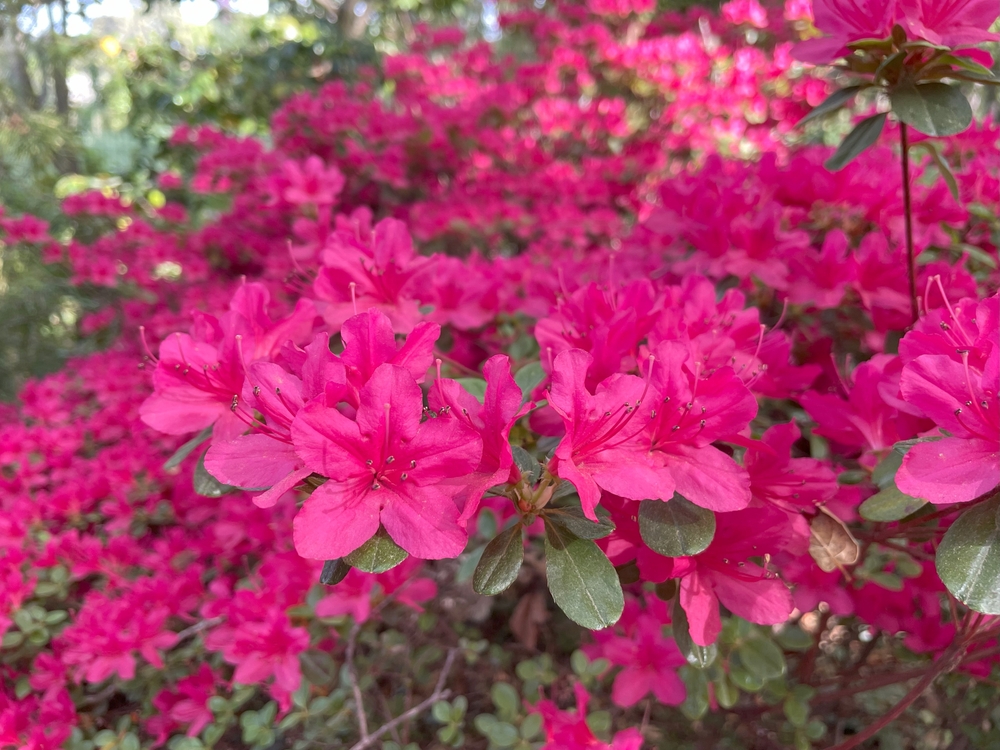
Winter care for rhododendrons and azaleas sits within the broader rhythm of looking after your whole garden through the colder months.
A simple winter checklist:
- Mulch around the base of all plants in autumn
- Move container plants to sheltered positions
- Insulate pots with bubble wrap or hessian
- Water during dry mild spells, not during freezes
- Check for and remove dead wood as needed
- Avoid feeding until spring
- Monitor for pest activity and address any issues early
Planning your garden for year round colour means winter isn’t just something to get through. With the right plants alongside your rhododendrons and azaleas, there’s always something to enjoy.
Adding berrying shrubs, ornamental grasses, evergreen ferns and winter flowering plants creates a garden that remains interesting and alive even in the coldest months. Attracting wild birds with berries and seed heads adds another layer of winter interest, and a well placed wind chime brings sound and movement to a quieter season.
Looking Ahead to Spring
The best reward for careful winter preparation is seeing your rhododendrons and azaleas come back strongly in spring. Those tight buds that have been waiting through the cold months will swell and open into the spectacular display you’ve been looking forward to since last May.
Once temperatures start to rise reliably in late winter, you can begin to think about feeding, any necessary pruning and refreshing the mulch layer around your plants. For detailed seasonal guidance, feeding and watering azaleas through the seasons walks you through exactly what to do and when.
If you’re thinking about adding new plants to complement your existing rhododendrons and azaleas, pairing them with the right companions creates planting schemes that reward careful thought.
Have a look at our full range of products for everything you need to care for your plants through winter and into spring, or get in touch if you’d like advice tailored to your garden and situation.