
Home Colour Combinations: Pairing Azaleas and Rhododendrons with Other Plants
Colour Combinations: Pairing Azaleas and Rhododendrons with Other Plants
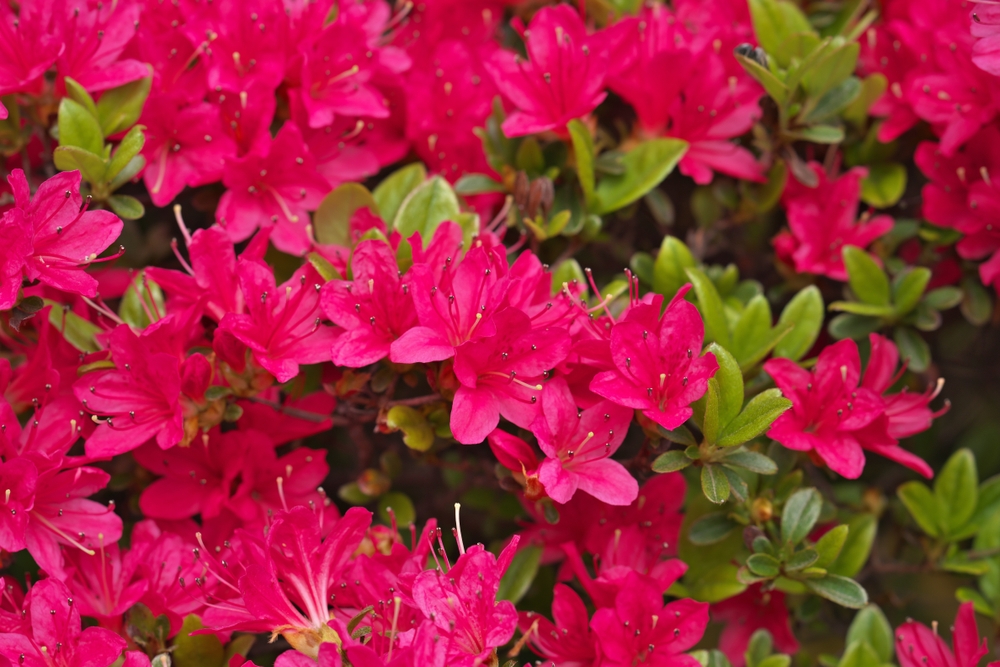
There’s something quietly spectacular about azaleas and rhododendrons in full bloom. Those clouds of colour in late spring can lift any garden, whether you’re working with a sweeping border or a courtyard corner. But the secret to making them shine even brighter? Choosing the right companions.
Pairing these acid-loving shrubs with plants that complement their colour, foliage and growing needs will give you months of interest rather than just a fleeting show. And it’s simpler than you might think.
Understanding What Azaleas and Rhododendrons Need
Before we get into colour palettes, it’s worth covering the basics. Both azaleas and rhododendrons are ericaceous plants, which means they need acidic soil with a pH between 4.5 and 6.0. If you’re not sure about your soil, a simple test kit will tell you. If it’s on the alkaline side, container planting or raised beds filled with the right compost are both good options.
These shrubs also prefer dappled shade and shelter from harsh winds. That makes them perfect for woodland-style gardens, shady borders or spots under deciduous trees. When you’re choosing companion plants, look for others that share these preferences—acid-loving, shade-tolerant, and happy in moisture-retentive soil.
Classic Colour Combinations That Work
Cool Blues and Soft Pinks
If you’re growing Japanese azaleas in shades of pink or white, pair them with spring bulbs like bluebells or camassia for a dreamy, woodland feel. Add evergreen ferns such as Polystichum setiferum for year-round structure and you’ve got a scheme that feels calm and timeless.
Rhododendrons in pale pink or lilac look particularly good alongside blue hostas. Try Hosta ‘Halcyon’ or ‘Blue Mouse Ears’ for smaller spaces. The contrast between those broad, ribbed leaves and the delicate blooms is lovely.
Bold Reds and Deep Purples
For something with more drama, red or magenta azaleas work beautifully with dark-leaved heucheras like ‘Obsidian’ or ‘Plum Pudding’. The deep foliage makes those fiery tones really pop, especially in a shaded courtyard where the colours glow.
Purple rhododendrons such as Rhododendron ponticum (though best avoided in wild areas due to its invasive nature) or cultivated hybrids pair well with golden grasses like Carex elata ‘Aurea’ for contrast, or with white-flowered perennials like Astilbe ‘Bridal Veil’ to soften the intensity.
Warm Oranges and Yellows
Deciduous azaleas in peachy oranges and buttery yellows bring warmth to spring borders. Underplant them with primulas in complementary shades—Primula bulleyana in orange or Primula veris (cowslip) for a meadow feel. Japanese forest grass (Hakonechloa macra) adds movement and a soft lime-green backdrop that lets those warm tones sing.
For a container scheme, try a compact yellow azalea with bronze sedges and trailing ivy. It’s simple, effective, and perfect for a shaded patio.
Perfect Plant Partners for Azaleas and Rhododendrons
Choosing companions isn’t just about colour—it’s about creating interest across the seasons and supporting each other’s growing needs.
Shade-loving perennials:
- Hostas (blue, green or variegated varieties for foliage contrast)
- Astilbes (feathery plumes in pinks, reds and whites for summer interest)
- Ferns (evergreen types like hart’s tongue or deciduous shuttlecock ferns)
- Pulmonaria (early spring flowers and spotted foliage)
- Epimedium (delicate spring flowers and weed-suppressing ground cover)
Acid-loving shrubs:
- Pieris (spring flowers and colourful new growth)
- Camellias (glossy evergreen leaves and early blooms)
- Skimmia (fragrant flowers and bright winter berries)
- Gaultheria (low-growing evergreen with berries)
For more ideas on creating the perfect garden with layered planting, it’s worth thinking about height, texture and flowering times as well as colour.
Adding Spring Bulbs and Woodland Favourites
Spring bulbs are natural partners. Daffodils, trilliums, erythroniums and wood anemones will carpet the ground before your azaleas and rhododendrons steal the show. They’ll die back just as the shrubs hit their peak, leaving the stage clear.
For year-round colour, weave in hellebores for winter interest and Japanese anemones for late summer blooms. This way, your border works hard across all seasons rather than peaking once and fading into the background.
Planting Schemes for Different Spaces
Woodland Border
Create depth by layering. At the back, plant taller rhododendrons like ‘Cunningham’s White’ or ‘Purple Splendour’. Mid-border, add Japanese azaleas in complementary colours—perhaps soft pinks or warm apricots. At the front, use hostas, heucheras and ferns to create a tapestry of foliage.
Mulch with leaf mould or composted bark to keep roots cool and suppress weeds. A layer of organic matter also helps maintain that all-important acidic soil.
Small Garden or Courtyard
Compact varieties are your friends here. Rhododendron yakushimanum stays neat and rounded, while dwarf azaleas like ‘Amoena’ or ‘Blaauw’s Pink’ won’t outgrow a tight space. Pair them with smaller hostas, ajuga or Hakonechloa for a layered effect.
If your soil isn’t naturally acidic, container planting gives you complete control. Use a large pot, fill it with ericaceous compost, and you can enjoy these shrubs on a balcony or paved terrace.
Container Planting
Choose a generous pot—at least 40cm wide—and ensure it has drainage holes. Use peat-free ericaceous compost where possible and add a slow-release feed formulated for acid-loving plants.
Combine a compact rhododendron with trailing ivy, small ferns and spring bulbs for a display that evolves through the seasons. Securing taller plants with clips or ties can help prevent wind damage in exposed spots.
Practical Planting Tips
Timing matters. The best time to plant is autumn or early spring when the soil is moist and plants can establish before summer heat or winter cold arrives.
Soil preparation is key. Dig in plenty of organic matter—composted bark, leaf mould or ericaceous compost. If your soil is heavy clay, work in some grit to improve drainage. Waterlogged roots are one of the quickest ways to lose these plants.
Spacing. Check the mature size of each plant and allow room for growth. Rhododendrons can spread significantly, and crowded plants are more prone to pests and diseases.
Mulching. A 5–8cm layer of mulch around the base helps retain moisture, suppresses weeds and keeps roots cool. Avoid piling it against the stem.
Feeding and watering. Feed with an ericaceous fertiliser in spring. Water during dry spells, especially in the first couple of years. Rainwater is ideal if your tap water is hard and alkaline.
For detailed advice on caring for rhododendron hybrids, including pruning and troubleshooting, there’s plenty of guidance available.
Adding Extra Interest
Foliage Contrast and Texture
Don’t overlook foliage. The glossy, evergreen leaves of rhododendrons provide structure year-round, while deciduous azaleas often offer fiery autumn colour before they drop their leaves.
Pair them with plants that have contrasting leaf shapes—the fine, feathery fronds of ferns against bold rhododendron leaves, or the delicate tracery of Dicentra against the sturdy growth of evergreen azaleas.
Creating a Japanese-Inspired Garden
If you’re drawn to a more formal, contemplative style, creating a Japanese-inspired garden with azaleas is a beautiful direction to explore. Clipped azaleas, mossy ground cover, stepping stones and carefully placed ornaments can transform even a modest space.
Add the gentle sound of wind chimes or position a water feature nearby for that extra layer of tranquillity.
Wildlife-Friendly Planting
Azaleas and rhododendrons are valuable nectar sources for bumblebees in late spring. To support wildlife further, include early-flowering bulbs like crocuses and later perennials like astilbes. A mixed planting scheme will attract wild birds and beneficial insects, creating a garden that hums with life.
Leave some leaf litter under shrubs as shelter for insects and amphibians, and avoid using chemicals wherever possible.
Seasonal Care Reminders

Spring: Deadhead spent blooms (unless you’re growing for seed) and apply a light feed. Check for vine weevil damage if plants are in containers.
Summer: Water during dry spells and top up mulch if needed.
Autumn: Clear fallen leaves from evergreen foliage to prevent fungal issues. Plant new specimens or move established plants if necessary. Preparing your garden for winter means making sure tender plants are protected and borders are tidy.
Winter: Brush heavy snow off branches to prevent breakage. Check container plants haven’t dried out completely—evergreens can suffer in prolonged cold snaps.
Get Started with Confidence
Pairing azaleas and rhododendrons with the right companions isn’t complicated, but it does reward a little planning. Think about colour, texture, seasonality and growing conditions, and you’ll create planting schemes that look as good in July as they do in April.
Whether you’re planting a sweeping woodland border, a small courtyard or a few well-chosen containers, these acid-loving shrubs offer endless possibilities. And if you’re ever unsure about soil, plant choice or timing, it’s always worth getting in touch for advice.
Visit our range of plants and gardening products to start planning your scheme, or drop by to see what’s in season. There’s nothing quite like seeing the colours and textures in person before you commit.