
Home What’s the Difference Between Japanese Azaleas and Rhododendrons?
What’s the Difference Between Japanese Azaleas and Rhododendrons?
If you’ve ever wandered through a garden centre and been dazzled by a burst of pinks, purples, and reds, chances are you’ve admired both Japanese azaleas and rhododendrons without realising how closely related they are. Their similarities often cause confusion among gardeners, yet there are some distinct features that make each plant special.
Let’s explore how these two beloved shrubs differ in appearance, care, and personality—and how both can bring a stunning splash of colour to your garden throughout the seasons.
Are Japanese Azaleas a Type of Rhododendron?
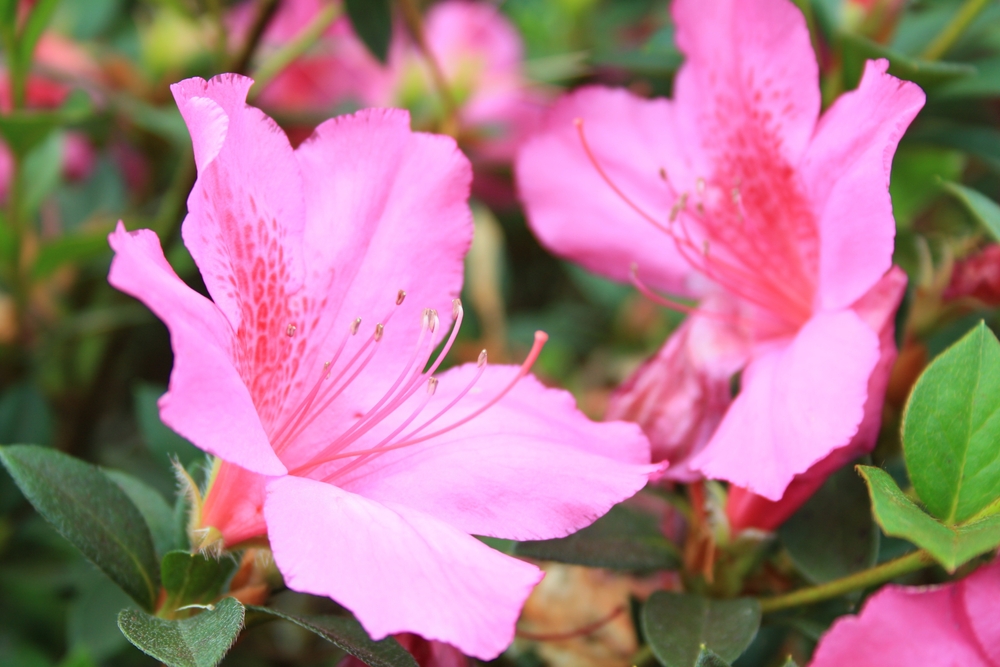
Here’s where it gets interesting. Botanically, Japanese azaleas are actually part of the rhododendron family. Think of them as smaller, more delicate cousins. Every azalea is technically a rhododendron, but not every rhododendron is an azalea.
Azaleas, including the Japanese varieties, belong to the Rhododendron genus but stand apart thanks to their compact form and abundant blooms. While rhododendrons often make a grand statement in larger landscapes, azaleas tend to charm with their neat size and vibrant floral displays, making them perfect for smaller spaces or garden borders.
At West Somerset Garden Centre, you’ll often find both side by side—each offering something unique for gardeners looking to add colour and structure to their outdoor spaces.
Key Differences Between Japanese Azaleas and Rhododendrons
While they share the same botanical roots, several features set Japanese azaleas apart from their larger relatives.
Size and Growth Habit
Rhododendrons are the showstoppers of the plant world. Many varieties can grow to well over two metres tall, forming dense, leafy shrubs that fill out large spaces beautifully. Japanese azaleas, by contrast, stay compact and rarely exceed a metre in height.
This smaller stature makes azaleas ideal for patios, courtyards, and smaller gardens. They fit beautifully alongside other compact evergreens and flowering shrubs. If you’re planning a garden that looks lively all year, you can combine azaleas with other small plants as outlined in how to plan your garden for year-round colour.
Leaf Shape and Texture
Another giveaway is in the foliage. Rhododendrons typically have large, leathery leaves that stay lush throughout the year, providing structure even when the plant isn’t in bloom. Japanese azaleas, on the other hand, have smaller, softer leaves that are either evergreen or semi-evergreen depending on the variety and local climate.
Their lighter foliage gives them a delicate look, especially when paired with textured plants like ferns or heucheras. The contrast between the glossy rhododendron leaves and the soft azalea greens can bring beautiful depth to your planting schemes.
If you’re not sure how to protect your foliage during the colder months, our guide on how to insulate your plants and protect roots during winter shares simple techniques for keeping evergreens healthy through frost and wind.
Flower Size, Colour, and Blooming Season
This is where most gardeners fall in love. Rhododendrons produce large, bold clusters of trumpet-shaped flowers, often in shades of pink, red, purple, or white. The blooms appear in late spring and can last for weeks, especially in cooler conditions.
Japanese azaleas, by comparison, produce smaller but more numerous flowers that often blanket the shrub entirely. Their colours range from soft pastels to vivid magentas, and many varieties start flowering slightly earlier in spring.
For a burst of continuous colour, some gardeners plant both side by side—rhododendrons for the dramatic blooms and azaleas for their dense, flower-covered appeal. When positioned carefully, the combination creates a layered, natural display that feels alive from early spring to midsummer.
If you’re curious about exploring hybrid options, the team’s guide on how to grow and care for rhododendron garden hybrids explains how breeders combine species for unique colours and shapes that thrive in UK gardens.
Which Is Better for Small Gardens?
If space is limited, Japanese azaleas are usually the smarter choice. Their tidy shape and slower growth make them easy to manage in pots, raised beds, or along paths. Rhododendrons, while stunning, often need more breathing room for their roots and leaves to spread.
Azaleas also work beautifully in Japanese-inspired designs. Their compact mounds of colour can soften stonework or water features, and they pair perfectly with ornamental grasses or small evergreens. You can find inspiration for creating balanced layouts in gardening essentials: how to create the perfect garden, where simple design principles help you make the most of limited space.
For gardeners working with containers, remember that azaleas prefer acidic soil and consistent moisture. Using the right compost for your plants ensures they get the nutrients they need to stay healthy and bloom beautifully year after year.
Care Needs: Azaleas vs Rhododendrons in the UK
Both Japanese azaleas and rhododendrons thrive in similar conditions—moist, well-draining, acidic soil with partial shade. However, there are a few subtle differences in how you care for them.
Watering: Azaleas have shallower root systems, so they need consistent watering during dry spells. Rhododendrons, with their deeper roots, can handle a little more neglect but still appreciate regular moisture.
Feeding: Both benefit from ericaceous feed once or twice a year, especially after flowering. This keeps the leaves vibrant and supports new bud growth.
Pruning: Japanese azaleas require very little pruning. A gentle tidy-up after flowering is usually enough. Rhododendrons can be shaped a bit more firmly if needed, though heavy pruning should be avoided to prevent damaging next year’s blooms.
Winter protection: In harsher areas, azaleas can suffer from frost damage due to their smaller size. Covering roots with mulch or using fleece in extreme cold can make a big difference. You’ll find step-by-step winter preparation tips in preparing your garden for winter: the ultimate guide.
If you’re planting in windy spots, securing your shrubs gently with garden twine or ties will protect them from shifting in the soil. The team’s advice on how to use clips, ties, and twine to secure plants in your garden is ideal for beginners who want to keep their displays stable and tidy.
Adding Seasonal Interest
One of the joys of both Japanese azaleas and rhododendrons is how they transform a garden through the year. Even after flowering, they provide lush greenery that anchors your design. Pairing them with other seasonal plants—such as bulbs for spring or evergreens for winter—keeps your garden looking alive.
If you enjoy wildlife gardening, you’ll love how azaleas and rhododendrons attract bees and butterflies in spring. For even more biodiversity, you can bring life to your outdoor space with bird-friendly tips that encourage robins, blue tits, and finches to visit year-round.
Adding small decorative touches like wind chimes also helps create a calm, sensory garden where colour, sound, and scent work in harmony.
Choosing the Right Shrub at West Somerset Garden Centre
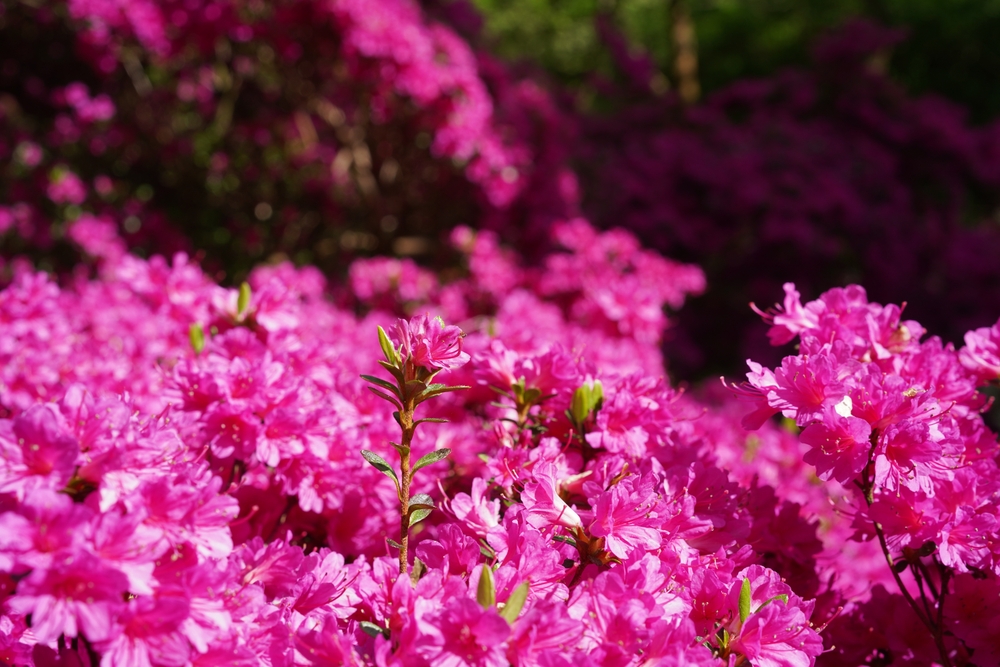
Whether you’re drawn to the compact charm of Japanese azaleas or the bold elegance of rhododendrons, both make outstanding additions to any garden. The key is to match your plant choice to your available space and light conditions.
At West Somerset Garden Centre, every plant is carefully selected for local growing conditions. The team can help you decide which variety will thrive best in your soil and how to combine them with complementary shrubs for a balanced display.
You can also explore the dedicated page on growing Japanese azaleas, which covers planting techniques and aftercare to keep your azaleas healthy for years to come.
A Final Word on Choosing Between Them
Japanese azaleas bring subtle elegance, while rhododendrons make bold statements. Together, they can create layers of colour and texture that evolve beautifully throughout the seasons.
If you love the idea of a garden filled with soft blossoms in spring, structured greenery in summer, and gentle form in winter, you really can’t go wrong with either. Both are resilient, rewarding, and easy to care for once you understand their needs.
So, whether you’re planning a new planting scheme or refreshing an existing border, visit West Somerset Garden Centre to discover the perfect variety for your garden. With expert advice, quality plants, and friendly service, it’s the best place to start your journey into colourful, low-maintenance gardening.